Passive
How to consume OpenAI API with Deno
The event, led by Dimitri Cassier at Howest, focused on using Deno to create and test applications with OpenAI’s API. Cassier demonstrated how to integrate AI into applications, using examples like ChatGPT-turbo, which allows for customizable and personalized interactions. For instance, you can configure the AI to behave as if it’s from the year 3002 and create a “story game” set in that future. Another example discussed was the DALL-E API, capable of converting drawings to images and recognizing images. A notable feature of DALL-E is its ability to generate database queries from images of database structures, though it’s not always 100% accurate.
Cassier also provided insights into Deno, a runtime for JavaScript, TypeScript, and WebAssembly created by Ryan Dahl, who also developed Node.js. Deno comes with built-in features like a test runner, code formatter, and npm support.
Overall, the talk was highly informative and relevant given the current rise in AI applications.
Combell
Simon Verdonck from Combell presented information on setting up web application hosting with Combell. He offered numerous tips on optimizing website speed, handling caching, and more.
However, I found this event less memorable as I forgot to take detailed notes. It felt more like a sales pitch than an informative session.
Interface user
Hendrik Manhaeve, a consultant at the International Standardization Organisation (ISO), discussed user interactions with applications and best practices for user interface design. For example, he noted that users typically expect the login button to be at the top right corner of the screen.
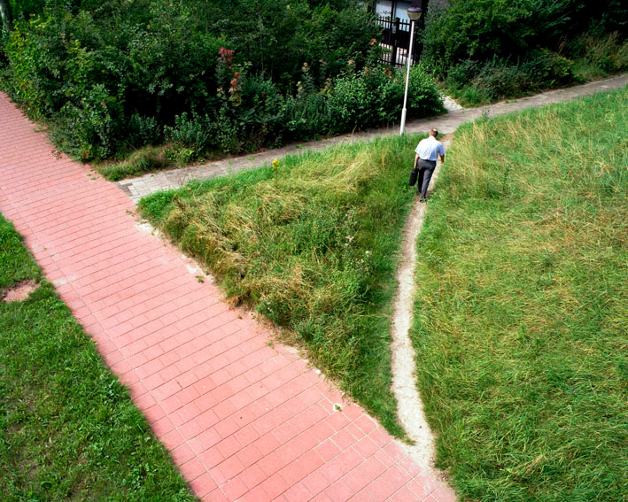
One key takeaway was the contrast between developer intentions and user behavior. Developers might design a well-defined path, but users often find shortcuts, highlighting the importance of user-centered design. Another important point was that user experience is crucial; if users can’t navigate your application easily, they won’t use it.
see here an example:
A day in a life of an software engineer
This event was particularly interesting as it delved into the rationale behind stand-ups, scrum methodologies, and the overall process of creating an application.
Key lessons included managing scrums by weight rather than days, as it’s challenging for developers to estimate time accurately but easier to assess the complexity of tasks. Additionally, I learned about the diverse roles involved in application development, including testers, project managers, and stakeholders.
The speaker was engaging and brought a wealth of experience and a positive mindset.
Active
Hack for Hope Hackathon
While browsing Devpost, I discovered the Hack for Hope hackathon, which took place from April 19th to April 20th. The challenge was to create an application for the visually impaired in just one day.
I thoroughly enjoyed this event as it pushed me to consider accessibility in development, a fresh and new perspective. For the hackathon, I created a website that reads out text entered in a text area and allows users to adjust the font size for easier reading.
This hackathon was a valuable learning experience, and I am eager to participate in similar events in the future.